

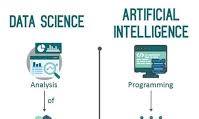

Difference Between Data Science vs Artificial Intelligence
Data science vs Artificial Intelligence are two buzzwords that have become increasingly popular in recent times. Although they may sound similar, they are quite different fields. In Data Science vs. Artificial Intelligence, Data Science involves using mathematical and statistical methods to analyze data and gain insights from it. For example, a Data Scientist may work for a healthcare company analyzing data to identify potential health risks in a specific population.
In contrast, Artificial Intelligence focuses on creating machines that can perform tasks that would normally require human intelligence, such as recognizing speech, understanding natural language, and making decisions based on data. One example of Artificial Intelligence in action is a virtual assistant like Siri or Alexa. In fact, these assistants can understand and respond to spoken commands using natural language processing algorithms.
In this article, we will delve into the differences between Data Science and Artificial Intelligence. Additionally, we will discuss how these fields are transforming the way we live and work.

What is Data Science?
Data science involves the study of data using math and technology to find insights and answers. Essentially, its goal is to help individuals and organizations make better decisions and predictions by uncovering patterns and trends in data.
For example, a data scientist might use data science techniques to analyze customer purchase history data for an e-commerce company to identify which products are selling the most, which customers are likely to churn, and which customers are most valuable to the company. Based on these insights, the company can then make informed decisions about product development, marketing, and customer retention strategies.
How Data Science Works? (With Example)

Let us understand how data science works through an example of Amazon.
Step 1: Data Collection
As an online retailer, Amazon collects data on customer behavior, product searches, purchase histories, and more. This data is stored in their data centers for further analysis.
Step 2: Applying data mining techniques
Amazon sifts through the data to identify patterns and trends. For example, they may identify the most popular products or the most frequent search terms.
Step 3: Using machine learning algorithm
Using machine learning algorithms, Amazon builds predictive models that can forecast future outcomes. For instance, they may use customer data to predict which products are likely to be popular in the coming months.
Step 4: Experimenting with A/B testing
Amazon uses A/B testing to experiment with different features on its website, such as different product layouts or pricing strategies. This helps them determine which features are most effective at driving customer engagement and sales.
Step 5: Analyzing customer feedback with NLP
Through the use of NLP, Amazon is able to analyze customer feedback from sources such as product reviews and social media. As a result, they gain valuable insights into customer sentiment and are able to identify areas for improvement in their products and services.
Step 6: Visualizing data insights
Amazon uses data visualization tools to present its findings in a way that is easy to understand. This includes using charts, graphs, and other visual aids to communicate complex data to stakeholders.
Step 7: Driving decision-making with data
By leveraging data science techniques, Amazon can make data-driven decisions that improve its business outcomes. For example, they may use insights from their data to optimize their supply chain or improve their customer experience.
Scope of Data Science
|
Areas |
Scope |
|
Business Analytics |
Analyzing data to improve business outcomes in areas such as marketing, finance, supply chain management, and more. |
|
Healthcare |
Analyzing medical data to improve patient outcomes and reduce costs in areas such as disease diagnosis, drug discovery, personalized medicine, and more. |
|
Education |
Analyzing learning data to enhance the learning experience for students in areas such as adaptive learning, intelligent tutoring systems, and learning analytics. |
|
Cybersecurity |
Analyzing network traffic to detect and prevent cyber attacks in areas such as intrusion detection, threat intelligence, and security analytics. |